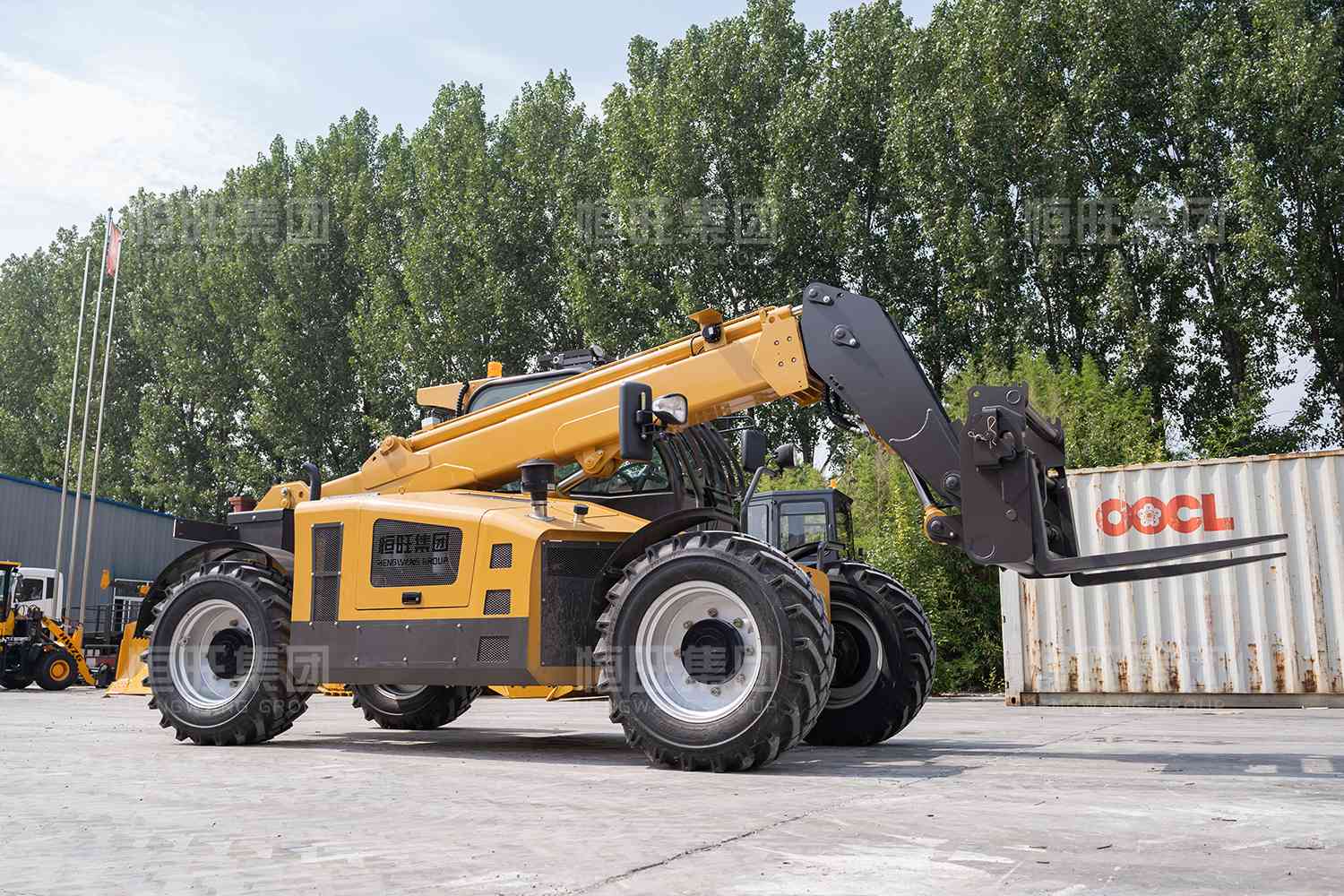
1. Industry Positioning Differences
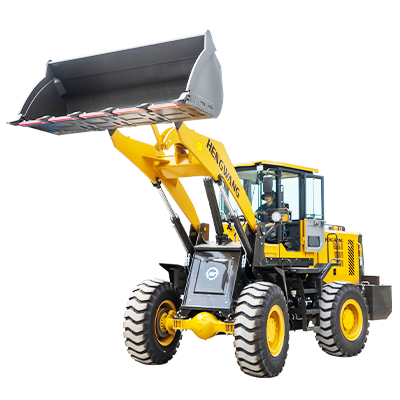
Forklift originate from loader technology and are specifically designed for mining and stone material handling. In contrast, forklifts are standard in-plant logistics equipment, suitable for warehouses, workshops, and other flat-surface operations. Although both belong to the category of loading machinery, their application fields are distinctly different.
2. Functional Application Scenarios
Loading shovels are primarily used in heavy-duty operations such as stone quarries and earthwork projects, excelling in rough material handling and long-distance loading/unloading. Forklifts, on the other hand, specialize in indoor environments like warehouses and workshops, where they are ideal for pallet stacking and short-distance transportation. This functional disparity defines their respective market positioning.
3. Lifting System Differences
Loading shovels employ an articulated arm lifting mechanism with an arc-shaped motion, resulting in an off-center load distribution and relatively limited overload capacity. In comparison, forklifts utilize a vertical lifting system via mast and forks, with a more centralized load center, providing stronger load-bearing capability and stability—particularly advantageous for precise stacking operations.
4. Off-Road Performance
Regarding terrain adaptability, loading shovels are equipped with four-wheel drive systems and large tires, featuring high ground clearance and strong climbing ability, making them suitable for complex environments like mines and construction sites. Forklifts typically use front-wheel drive, with a low chassis and rear-wheel steering that restricts their off-road capability, limiting them to hardened surfaces and flat terrain.
5. Working Range Characteristics
The articulated arm design of loading shovels provides a larger working radius, making them ideal for long-distance material handling. Forklifts, with their vertical lifting mechanism, have a more compact working range, excelling in precise operations within confined spaces. This difference directly influences their suitability for different working conditions.
6. Key Performance Metrics
The standout advantage of loading shovels lies in their powerful prying force, enabling them to effortlessly move large stone blocks or heavy loads. Forklifts prioritize operational precision and flexibility, outperforming in stacking accuracy and speed but lacking the capability for heavy prying tasks.
7. Maneuverability Differences
In terms of steering flexibility, loading shovels use articulated chassis steering, resulting in a larger turning radius and requiring more operational space. Forklifts employ rear-wheel steering, allowing for in-place turning, making them exceptionally agile in confined spaces. This maneuverability disparity determines their adaptability to different working environments.
8. Structural Design
Loading shovels feature an articulated front and rear frame connection, providing superior terrain adaptability. Forklifts utilize a fully welded rigid frame, offering a more compact and robust structure ideal for high-frequency indoor operations.
Purchase Recommendations:
For mining, large-scale stone handling, and heavy-duty engineering projects, loading shovels are the optimal choice.
For warehouse management and in-plant material transportation requiring precision, forklifts are more suitable.
Selecting the right equipment based on actual working conditions not only enhances operational efficiency but also reduces long-term costs. For specific model recommendations or professional usage advice, consulting experienced equipment suppliers for customized solutions is highly recommended.